“Everyone Has Made This Mistake” — Understanding Normal Blood Pressure by Age
Many people assume blood pressure has a completely different “normal range” for every age group. That’s the common mistake. In reality, modern medical guidelines are more consistent: normal blood pressure is not based heavily on age, but on overall cardiovascular risk.
However, age does influence how often blood pressure rises and what doctors typically see in practice.
Let’s break it down clearly.
What Is Blood Pressure?
Blood pressure measures how strongly blood pushes against artery walls.
It is written as:
- Systolic pressure (top number): pressure when the heart beats
- Diastolic pressure (bottom number): pressure when the heart rests
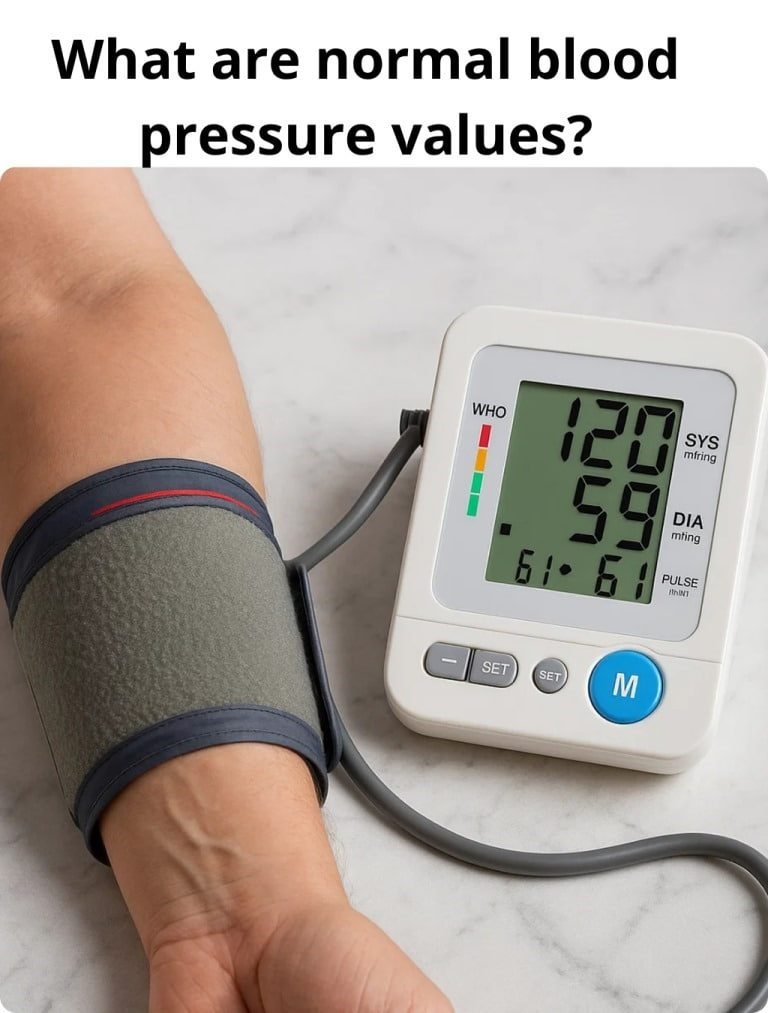
Standard “Normal” Blood Pressure (All Adults)
Most guidelines, including modern cardiology standards, define:
- Normal: less than 120/80 mmHg
- Elevated: 120–129 / less than 80
- High blood pressure (hypertension): 130/80 or higher
This applies to adults of all ages in general medical practice.
Blood Pressure by Age (Typical Ranges Seen in Practice)
These are common patterns, not strict rules.
Children (1–12 years)
- Lower than adults
- Often around: 90–110 / 60–75 mmHg
Blood pressure gradually rises as children grow.
Teenagers (13–18 years)
- Closer to adult range
- Typical: 100–120 / 65–80 mmHg
Lifestyle (diet, activity, stress) starts to matter more.
Adults (18–40 years)
- Ideal: around 110–120 / 70–80 mmHg
- Many people are still in optimal range here if healthy
Middle Age (40–60 years)
- Slight increase is common
- Typical: 115–130 / 75–85 mmHg
This is when early signs of hypertension often begin.
Older Adults (60+ years)
- Often higher due to artery stiffness
- Typical: 120–140 / 70–90 mmHg
Doctors may accept slightly higher readings depending on overall health.
The Big Mistake People Make
Many believe:
“High blood pressure is normal as you age”
This is not fully true.
What actually happens:
- Blood vessels naturally stiffen with age
- But consistently high readings still increase risk of:
- Stroke
- Heart attack
- Kidney disease
So “common” does not mean “safe.”
When Blood Pressure Becomes Dangerous
Seek medical attention if:
- Repeated readings are above 140/90
- You experience headaches, chest pain, or dizziness
- There is sudden spike above 180/120 (emergency level)
What Keeps Blood Pressure Healthy
Simple habits make a big difference:
- Reduce salt intake
- Stay physically active
- Maintain healthy weight
- Manage stress
- Sleep well
- Avoid smoking
Final Takeaway
There is no completely different “normal blood pressure chart” for every age. The real baseline stays around:
Below 120/80 mmHg for most adults
Age influences trends, but not the definition of health. The key is not what is “common,” but what is safe for your heart, brain, and kidneys long-term.
If you want, I can also share a simple guide on how to lower blood pressure naturally in 7 days or how to measure it correctly at home.