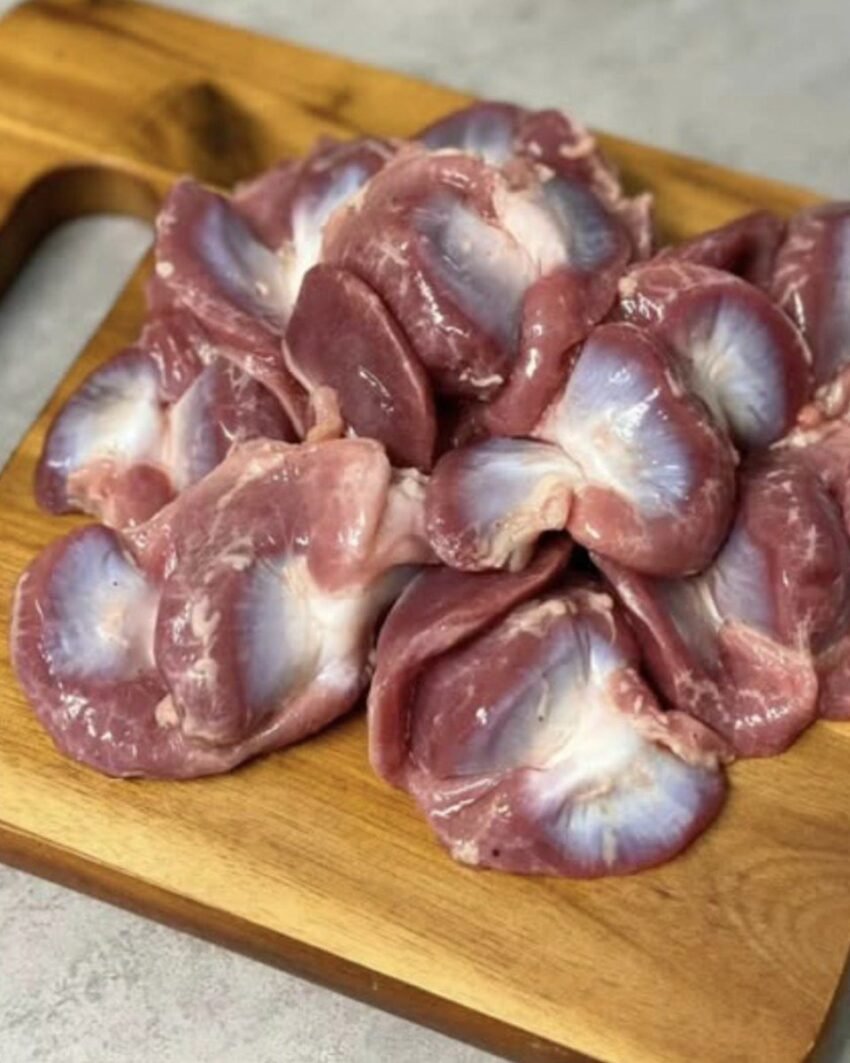
Chicken gizzards (Chicken gizzard) are actually nutrient-dense, but the claim “you don’t have to take supplements if you eat them” is an oversimplification.
What gizzards do provide
They’re rich in:
- Protein (high quality, lean)
- Iron (supports blood health)
- Zinc (immune function)
- Vitamin B12 (nerve and brain function)
- Selenium (antioxidant support)
So yes—if you eat them, they can contribute meaningfully to nutrition.
What they don’t replace
Even though they’re nutritious, they cannot replace supplements or a balanced diet because:
- They don’t contain all essential vitamins (like vitamin C, vitamin D in meaningful amounts)
- They don’t cover omega-3 fatty acids
- Nutritional needs vary widely depending on health conditions, age, pregnancy, etc.
- Supplements are sometimes medically required (e.g., B12 deficiency, iron-deficiency anemia, vitamin D deficiency)
The real truth behind these claims
Statements like “eat this instead of supplements” usually:
- Take one nutrient-rich food
- Ignore overall dietary balance
- Oversell it as a complete solution
No single food—whether gizzards, liver, eggs, or anything else—acts like a full substitute for all nutritional needs.
Bottom line
Gizzards are healthy and underrated, but they’re a food, not a replacement for medically needed supplements or a balanced diet.
If you want, I can compare gizzards with other organ meats (like liver or heart) so you can see which ones are actually most nutrient-dense.