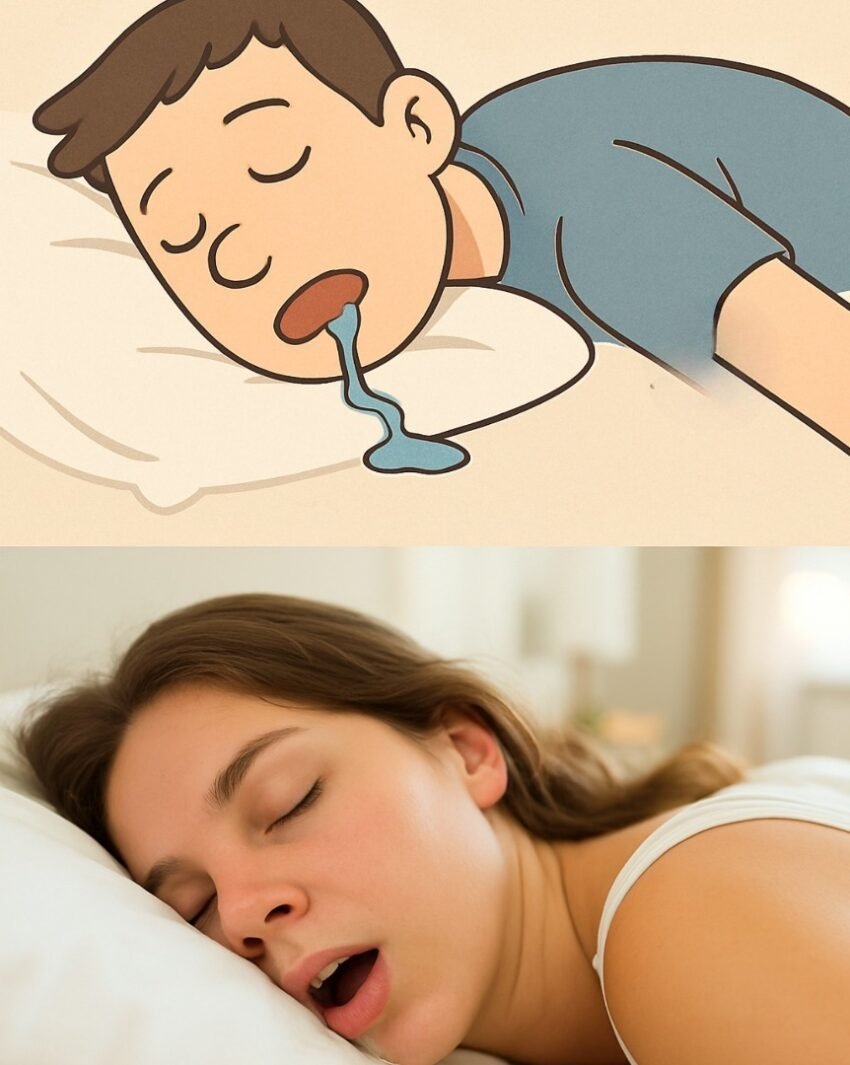
If You Drool While You Sleep, What Does It Really Mean?
Introduction
You may have heard claims like “if you drool while you sleep, it means your brain is doing something special.” That idea is mostly myth, not science. Drooling during sleep is common and usually harmless, but it does have real explanations rooted in how your body works at night.
What Drooling During Sleep Actually Indicates
Drooling (also called sleep-related saliva leakage) happens when saliva escapes from the mouth during sleep. This is typically linked to muscle relaxation and sleep position—not a specific signal about brain performance.
1. Deep Relaxation of Muscles
During deeper stages of sleep, especially in phases linked to the REM Sleep and non-REM cycles, your facial and swallowing muscles relax.
Result:
Saliva may pool in your mouth and leak out, especially if your mouth is open.
2. Sleeping Position
If you sleep on your side or stomach, gravity makes it easier for saliva to escape.
Result:
More drooling compared to sleeping on your back.
3. Nasal Congestion
Blocked nasal passages from colds, allergies, or sinus issues force you to breathe through your mouth.
Result:
An open mouth increases the chance of drooling.
4. Increased Saliva Production
Certain factors can increase saliva, including:
- Acid reflux
- Some medications
- Oral infections
5. When It Might Signal a Problem
Occasional drooling is normal. However, excessive or sudden drooling could be linked to conditions affecting swallowing or nerve control, such as:
- Sleep Apnea
- Gastroesophageal Reflux Disease
- Neurological disorders (in rare cases)
The Myth About “Brain Signals”
There’s no scientific evidence that drooling means your brain is “healing faster,” “working harder,” or “more relaxed than others.” While deep sleep is important for brain function, drooling itself is just a side effect of physical relaxation and positioning.
What You Can Do
If drooling bothers you:
- Try sleeping on your back
- Keep nasal passages clear
- Maintain good sleep hygiene
- Stay hydrated
When to Seek Medical Advice
Consider speaking to a doctor if:
- Drooling is excessive or worsening
- You have trouble swallowing
- It’s accompanied by snoring or breathing issues
Conclusion
Drooling during sleep is usually a simple physical response—not a hidden message from your brain. In most cases, it reflects normal relaxation and sleep posture rather than anything concerning.