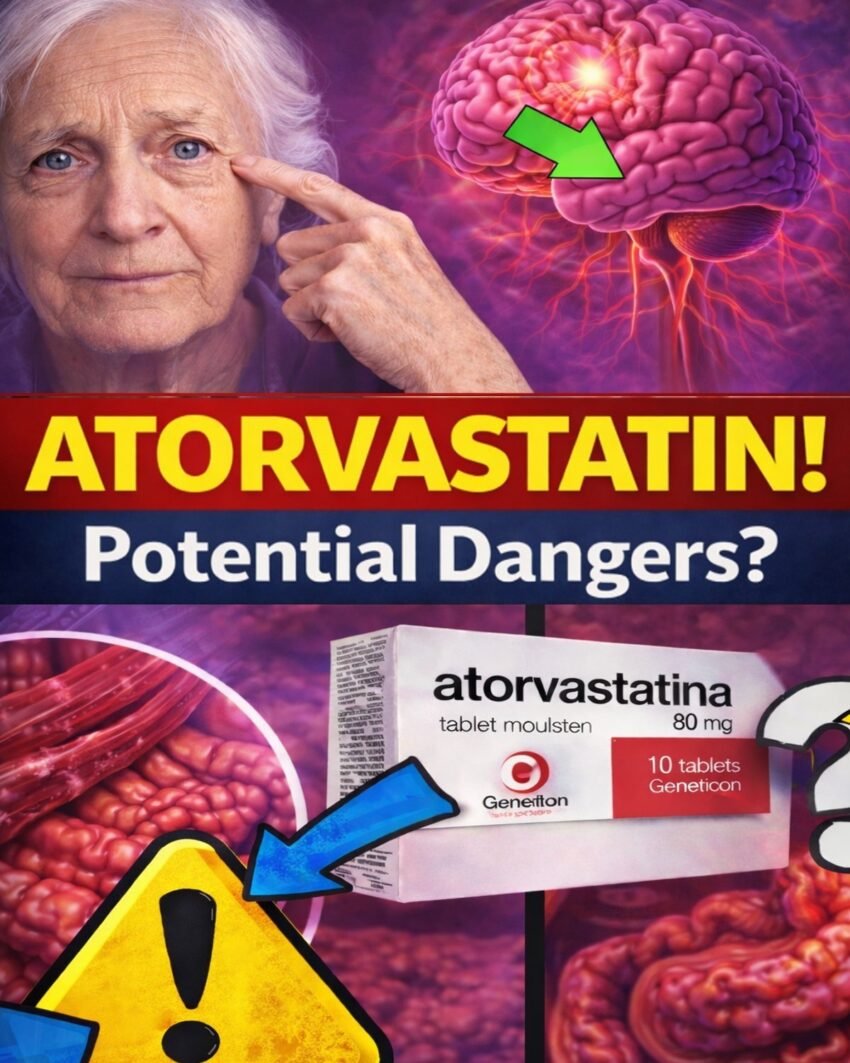
15 Hidden Atorvastatin Side Effects (And What You Can Do)
Introduction
Atorvastatin is widely prescribed to lower cholesterol and reduce the risk of heart disease. It’s effective and generally safe, but like all medications, it can have side effects—some subtle enough that people may not immediately connect them to the drug.Not every patient experiences these, and many are mild or manageable. Still, being aware helps you respond early and make informed decisions with your doctor.
1. Muscle Pain or Weakness
This is one of the more common issues. It may feel like soreness, fatigue, or reduced strength.
What you can do:
Stay hydrated, avoid overexertion, and report persistent pain to your doctor.
2. Unusual Fatigue
Some people feel more tired than usual without a clear reason.
What you can do:
Track your energy levels and rule out sleep or diet issues.
3. Mild Memory Problems
There are occasional reports of forgetfulness or mental “fog.”
What you can do:
Monitor changes and discuss them if they interfere with daily life.
4. Digestive Issues
Nausea, gas, diarrhea, or constipation can occur, especially when starting the medication.
What you can do:
Take the medication with food and maintain a balanced diet.
5. Sleep Disturbances
Some users report insomnia or unusual dreams.
What you can do:
Try taking the medication earlier in the day (only if your doctor agrees).
6. Elevated Blood Sugar
Statins may slightly increase blood sugar levels, which is relevant for people at risk of Type 2 Diabetes.
What you can do:
Monitor glucose levels and maintain a healthy diet.
7. Headaches
Mild to moderate headaches can occur in some individuals.
What you can do:
Stay hydrated and consult your doctor if headaches persist.
8. Liver Enzyme Changes
Atorvastatin can affect liver function in rare cases.
What you can do:
Routine blood tests help detect this early.
9. Joint Pain
Some people report stiffness or discomfort in joints.
What you can do:
Gentle movement and stretching may help; report worsening symptoms.
10. Skin Reactions
Rash or itching may occur, though uncommon.
What you can do:
Seek medical advice if reactions appear suddenly or worsen.
11. Reduced Exercise Tolerance
You may feel like workouts are harder than usual.
What you can do:
Adjust intensity and allow more recovery time.
12. Peripheral Nerve Sensations
Tingling or numbness can occur in rare cases.
What you can do:
Report persistent symptoms for evaluation.
13. Mood Changes
Some users report irritability or low mood.
What you can do:
Keep track of emotional changes and discuss them openly.
14. Increased Sensitivity to Alcohol
Alcohol may place additional strain on the liver while on this medication.
What you can do:
Limit alcohol intake.
15. Rare Muscle Breakdown
A very rare but serious condition called Rhabdomyolysis can occur.
What you can do:
Seek immediate medical attention if you experience severe muscle pain, dark urine, or extreme weakness.
Important Reality Check
The idea that doctors “never mention” these effects is exaggerated. Most healthcare providers discuss common and serious risks, but time constraints or individual differences can mean not every possible symptom is covered in detail.
When to Contact Your Doctor
Get medical advice if you experience:
- Persistent muscle pain or weakness
- Unusual fatigue or confusion
- Yellowing of the skin or eyes
- Severe or unusual symptoms
Conclusion
Atorvastatin remains an effective and important medication for reducing cardiovascular risk. Being aware of potential side effects doesn’t mean you should stop taking it—it means you can use it more safely. Stay observant, maintain regular checkups, and communicate openly with your healthcare provider to get the best results from your treatment.