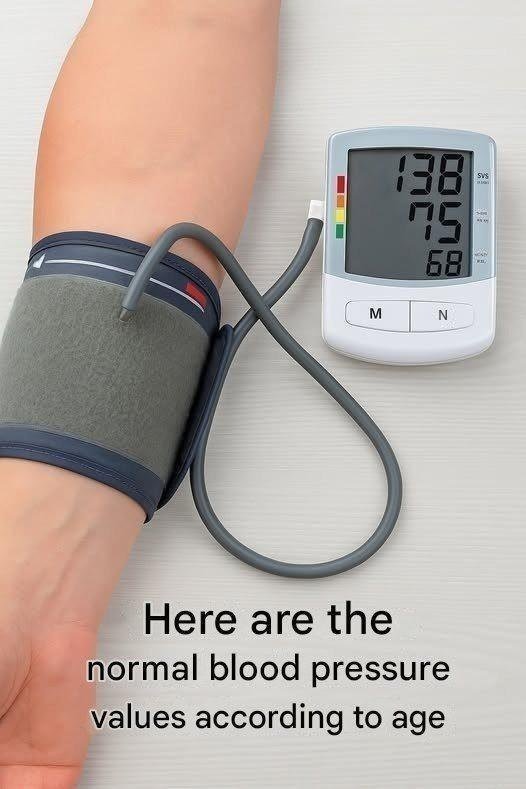
“Normal blood pressure according to age” is a bit misleading—modern guidelines don’t set very different “normal” targets just because someone is older. Instead, they define a healthy range for most adults, with some flexibility based on overall health.
Here’s a clear, practical breakdown:
🩺 Normal Blood Pressure (General Guideline)
- Normal: less than 120/80 mmHg
- Elevated: 120–129 / less than 80
- High (Hypertension Stage 1): 130–139 / 80–89
- High (Stage 2): 140+/90+
These categories are widely used in cardiology and apply to most adults.
📊 How Age Fits In
👶 Children & Teens
- Blood pressure varies by age, height, and gender
- Doctors use percentile charts rather than fixed numbers
🧑 Adults (18–60 years)
- Ideal target: below 120/80 mmHg
- Consistently above 130/80 may need lifestyle changes or treatment
👴 Older Adults (60+ years)
- Slightly higher readings can be common due to stiffening arteries
- Many doctors aim for:
- Around <130/80 mmHg if tolerated
- Sometimes <140/90 mmHg depending on health, frailty, or medications
⚠️ Important Reality Check
- Higher BP with age is common, but not truly “normal” in a healthy sense
- Letting it stay high increases risk of:
- Heart disease
- Stroke
- Kidney problems
💊 Example: Medication Use
Drugs like Amlodipine are often prescribed when lifestyle changes aren’t enough to control blood pressure.
✅ What You Should Focus On
Instead of chasing age-based numbers:
- Track your consistent readings
- Look at your overall health and symptoms
- Follow targets set by your doctor
If you want, tell me your age and recent readings—I can help you interpret whether they’re in a safe range.