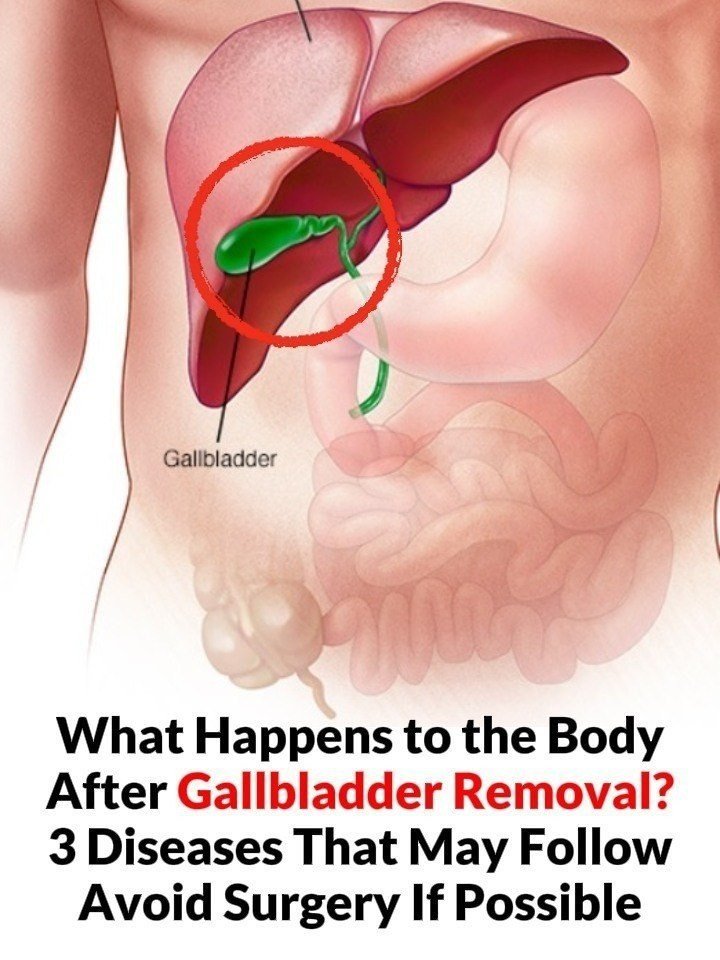
After Gallbladder Removal: 3 Conditions You Could Develop
Gallbladder removal, medically known as Cholecystectomy, is a common and generally safe procedure. Most people recover well and go on to live normal lives without major dietary restrictions. However, because the gallbladder plays a role in storing and concentrating bile, its removal can lead to certain digestive changes—and in some cases, longer-term conditions.
Here are three conditions that may develop after gallbladder removal and what you should know about them.
1. Postcholecystectomy Syndrome (PCS)
One of the most commonly discussed complications is Postcholecystectomy Syndrome.
What It Is:
PCS refers to a group of symptoms that persist or appear after surgery, sometimes weeks or even months later.
Common Symptoms:
- Abdominal pain (especially in the upper right side)
- Bloating and gas
- Nausea
- Diarrhea
Why It Happens:
It can occur due to bile flow changes, retained gallstones, or dysfunction in the bile ducts.
Management:
Treatment depends on the cause and may include medications, dietary changes, or further evaluation.
2. Bile Acid Diarrhea
After surgery, some people experience frequent loose stools due to Bile Acid Diarrhea.
What It Is:
Without the gallbladder, bile flows continuously into the intestines rather than being released in controlled amounts. This excess bile can irritate the colon.
Symptoms:
- Chronic diarrhea
- Urgency after meals
- Abdominal cramping
Management:
- Low-fat diet
- Medications that bind bile acids (such as cholestyramine)
- Smaller, more frequent meals
Many cases improve over time, but some require ongoing management.
3. Increased Risk of Digestive Disorders
Gallbladder removal can slightly increase the risk of certain gastrointestinal conditions, including:
a. Gastroesophageal Reflux Disease (GERD)
Changes in bile flow may contribute to acid reflux symptoms in some individuals.
b. Irritable Bowel Syndrome (IBS)
Some patients report IBS-like symptoms such as alternating bowel habits and abdominal discomfort.
c. Fat Malabsorption
Because bile is less concentrated, fat digestion may become less efficient, leading to:
- Greasy stools
- Bloating
- Nutrient deficiencies in rare cases
How to Support Your Digestive Health
While these conditions sound concerning, many people experience only mild or temporary symptoms. You can support your recovery and long-term health by:
- Eating smaller, balanced meals
- Reducing high-fat and fried foods
- Gradually reintroducing fiber
- Staying hydrated
- Consulting a healthcare provider if symptoms persist
Final Thoughts
Gallbladder removal changes how your body processes fats, but it does not prevent you from living a healthy life. Being aware of potential post-surgery conditions helps you recognize symptoms early and take appropriate action.
If you experience ongoing discomfort after surgery, it is worth discussing with a medical professional to ensure proper diagnosis and treatment.