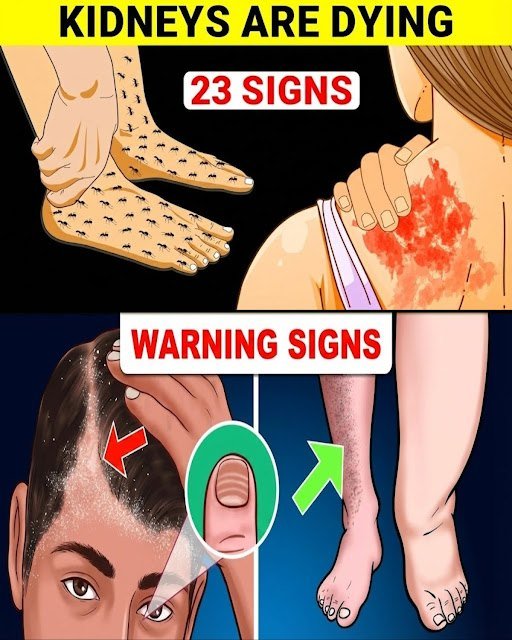
23 Strange Signs Your Kidneys Might Be in Trouble
Your kidneys play a crucial role in maintaining your overall health. They filter waste products, balance bodily fluids, regulate blood pressure, and even produce important hormones. However, because kidney problems often develop slowly, it can be difficult to recognize when something’s wrong. In the early stages, kidney issues may not show obvious symptoms, which is why it’s important to be aware of the subtle signs that may indicate your kidneys are in trouble.
Here are 23 strange or unusual signs that could mean your kidneys need attention.
1. Frequent Urination (Especially at Night)
What It Is:
If you’re suddenly making trips to the bathroom more often than usual, especially at night, it could be a sign of kidney dysfunction. This may happen due to fluid retention or an imbalance in how your kidneys regulate urine production.
Why It Happens:
Kidneys are responsible for filtering excess fluids and waste. If they’re not working properly, it may affect how often you urinate.
2. Foamy or Bubbling Urine
What It Is:
When you notice foam or bubbles in your urine, it could be an indication of protein leaking into your urine, a condition known as proteinuria. This can occur when the kidneys are damaged and fail to properly filter waste.
Why It Happens:
Healthy kidneys prevent proteins like albumin from leaking into the urine, but when they are compromised, these proteins pass through and create bubbles.
3. Swelling in Your Hands, Feet, or Ankles
What It Is:
Your kidneys help regulate fluid balance in your body. If they aren’t working properly, excess fluid can build up, leading to swelling (called edema) in areas like your feet, ankles, hands, or face.
Why It Happens:
Kidneys control fluid and waste removal. When they fail, excess water can accumulate in the body, causing swelling.
4. Fatigue and Weakness
What It Is:
If your kidneys are not filtering blood effectively, waste and toxins build up in the body. This can leave you feeling extremely tired, weak, or lethargic.
Why It Happens:
The buildup of waste can interfere with red blood cell production and reduce the amount of oxygen getting to your tissues, leaving you feeling exhausted.
5. Changes in Urine Color
What It Is:
Healthy urine is typically light yellow. If your urine turns dark, red, or brown, it could signal blood in the urine (hematuria) or dehydration, which are potential signs of kidney problems.
Why It Happens:
Blood in the urine can occur due to kidney stones, infection, or kidney disease. Dark urine can also be a sign of waste buildup in the body.
6. Pain or Discomfort in the Lower Back
What It Is:
Pain in the lower back or sides could be a sign of kidney problems, such as kidney stones or infections.
Why It Happens:
Kidney-related pain is often felt in the lower back or just below the ribs, as this is where the kidneys are located. If there’s inflammation or infection, you may feel dull or sharp pain.
7. Itchy Skin
What It Is:
Itchy skin or generalized irritation can be a symptom of kidney failure. When kidneys are damaged, they can’t remove toxins effectively, leading to skin issues.
Why It Happens:
The buildup of waste and toxins in the body can lead to dry, itchy skin (pruritus), which is common in individuals with kidney disease.
8. Metallic Taste in Your Mouth
What It Is:
A metallic taste or foul odor in your mouth may occur due to the buildup of waste products in the bloodstream, which can affect your taste buds.
Why It Happens:
Kidney failure can result in uremia, which is the accumulation of nitrogenous waste in the body. This can cause a bad taste in the mouth and even affect your appetite.
9. Shortness of Breath
What It Is:
Feeling short of breath or unable to catch your breath, even during mild activity, may indicate kidney problems, especially if it’s accompanied by swelling in the lungs or legs.
Why It Happens:
Kidney disease can cause fluid buildup in the lungs, making it difficult to breathe. It may also be a sign of anemia, which can occur in kidney disease.
10. High Blood Pressure
What It Is:
High blood pressure (hypertension) is both a cause and a symptom of kidney disease. If you suddenly develop high blood pressure or have trouble controlling it, your kidneys may be affected.
Why It Happens:
The kidneys play a role in regulating blood pressure. When they are damaged, blood pressure can rise, which can further damage the kidneys, creating a dangerous cycle.
11. Nausea and Vomiting
What It Is:
Feeling nauseous or vomiting, especially without any clear cause, can be a sign that toxins are building up in your system due to kidney dysfunction.
Why It Happens:
Waste buildup in the blood (uremia) can cause gastrointestinal symptoms, including nausea, vomiting, and even a lack of appetite.
12. Decreased Appetite
What It Is:
Loss of appetite can occur when kidneys aren’t functioning well, as toxins build up in the bloodstream and affect your digestive system.
Why It Happens:
Toxin accumulation affects your stomach and can make you feel less hungry. This is often accompanied by nausea or a metallic taste in your mouth.
13. Muscle Cramps or Spasms
What It Is:
Frequent muscle cramps, spasms, or twitching may be a sign of kidney issues. This can happen due to an imbalance of electrolytes, such as potassium, calcium, or sodium.
Why It Happens:
When kidneys aren’t working properly, they may not be able to balance your electrolytes, leading to muscle cramps or spasms.
14. Pale Skin
What It Is:
Pale or ashen skin can be an indication of anemia, which is common in people with kidney disease.
Why It Happens:
Kidney disease can impair the production of erythropoietin, a hormone that stimulates red blood cell production, leading to anemia and pale skin.
15. Cold Hands and Feet
What It Is:
Constantly feeling cold, especially in your hands and feet, can be linked to kidney problems, particularly when paired with anemia.
Why It Happens:
Anemia reduces the blood’s ability to carry oxygen, leaving you feeling cold even in normal temperatures.
16. Trouble Sleeping
What It Is:
Kidney disease can make it difficult to fall asleep or stay asleep due to the discomfort from symptoms like swelling, pain, or frequent urination.
Why It Happens:
The buildup of toxins and waste in the bloodstream can make it harder for you to rest.
17. Brittle or Weak Nails
What It Is:
Kidney disease can cause brittle nails, often in combination with skin issues and fatigue.
Why It Happens:
Nutrient deficiencies, such as a lack of iron, and a buildup of waste products can weaken your nails and cause them to break easily.
18. Bad Breath (Uremic Breath)
What It Is:
When kidney function declines, the body can produce a distinct ammonia-like smell in the breath, often referred to as uremic breath.
Why It Happens:
This occurs due to the buildup of nitrogenous waste in the blood, which is typically excreted through the urine.
19. Difficulty Concentrating
What It Is:
You might feel confused, forgetful, or mentally foggy. This can be caused by the accumulation of toxins that affect brain function.
Why It Happens:
As toxins build up in the bloodstream, they can negatively affect cognitive functions, making it harder to focus or concentrate.
20. Chills or Fever
What It Is:
Persistent chills or a fever may indicate an infection, which can be a sign of kidney infection (pyelonephritis) or urinary tract infection (UTI).
Why It Happens:
Kidneys are part of the urinary system, and if they become infected, it can cause fever, chills, and discomfort.
21. Dark Circles Under Your Eyes
What It Is:
Dark circles or puffiness under your eyes can sometimes be linked to kidney problems, particularly when combined with fluid retention.
Why It Happens:
The kidneys’ inability to filter waste can lead to fluid buildup, which can cause puffiness and dark circles around the eyes.
22. Heart Palpitations
What It Is:
Heart palpitations or irregular heartbeats can occur due to kidney disease, particularly when the kidneys can’t balance electrolytes properly.
Why It Happens:
When kidneys don’t regulate potassium and other electrolytes, it can lead to arrhythmias, which may cause heart palpitations.
23. Unexplained Weight Gain or Loss
What It Is:
Sudden unexplained weight gain (due to fluid retention) or weight loss can be a sign of kidney trouble.
Why It Happens:
Kidney problems can affect your body’s ability to process fluids and nutrients, leading to changes in weight.
Conclusion: Pay Attention to Early Symptoms
Kid